


I’m very pleased to have been offered the opportunity to spend a month as an…
Japan
Carving Connections: My Journey to Japan
for
World Wood Day 2025
This summer, I had the incredible opportunity to travel to Osaka, Japan, and join 23 other wood carvers from all over the world, to take part in World Wood Day 2025, an international celebration of craftsmanship, sustainability, and the timeless beauty of wood. The event was held in a truly unique setting — Tennoji Zoo, Osaka.
Arrival in Osaka
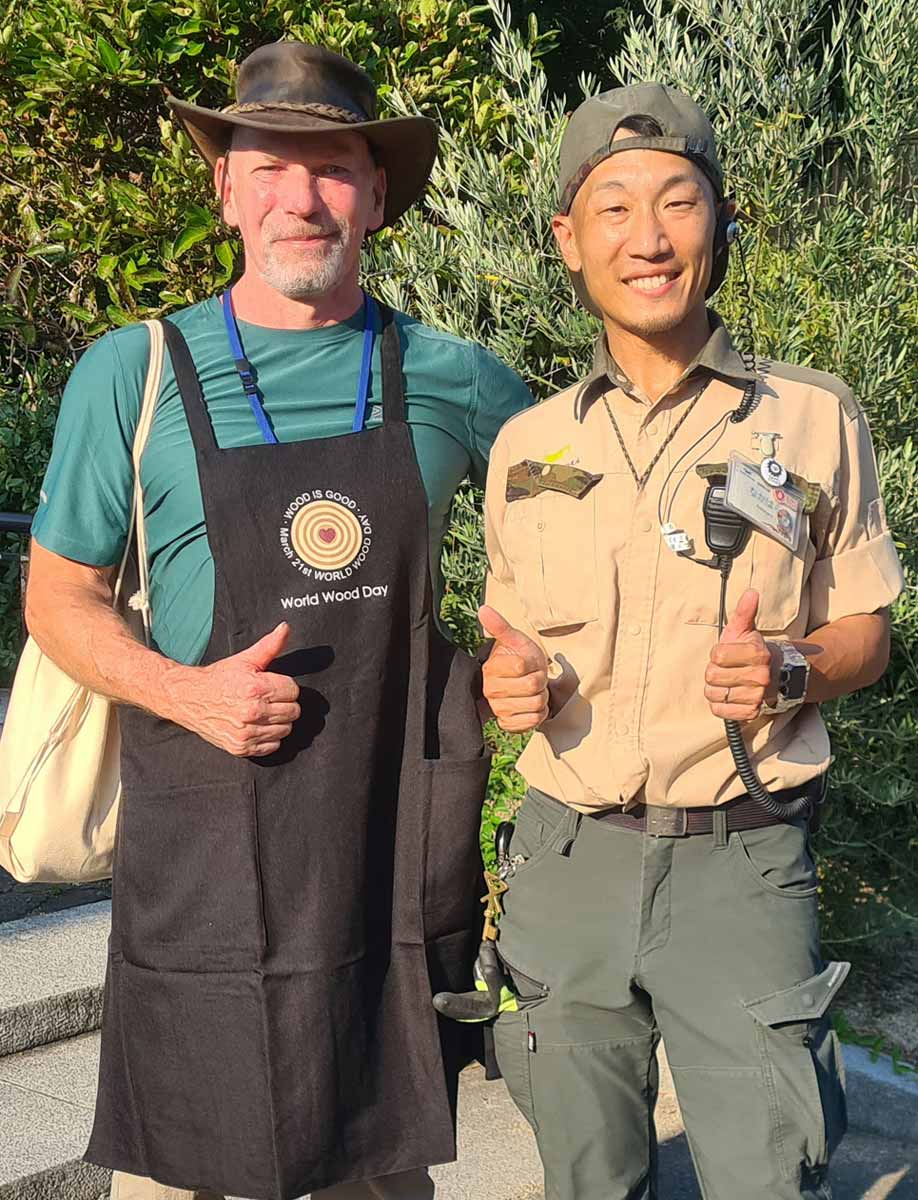
After a long journey from London via Shanghai, I arrived in Osaka on July 24th, ready to begin an unforgettable week of carving, collaboration, and cultural exchange. The organizers arranged accommodation a short distance from the zoo, where all participating artists stayed together — a great way to meet woodworkers from around the world and share our stories before and during the event. Each morning started with a 20 minute walk into the zoo, which gave plenty of oportunity to chat with some old friends and make a few new ones.
 Creating Among Wildlife
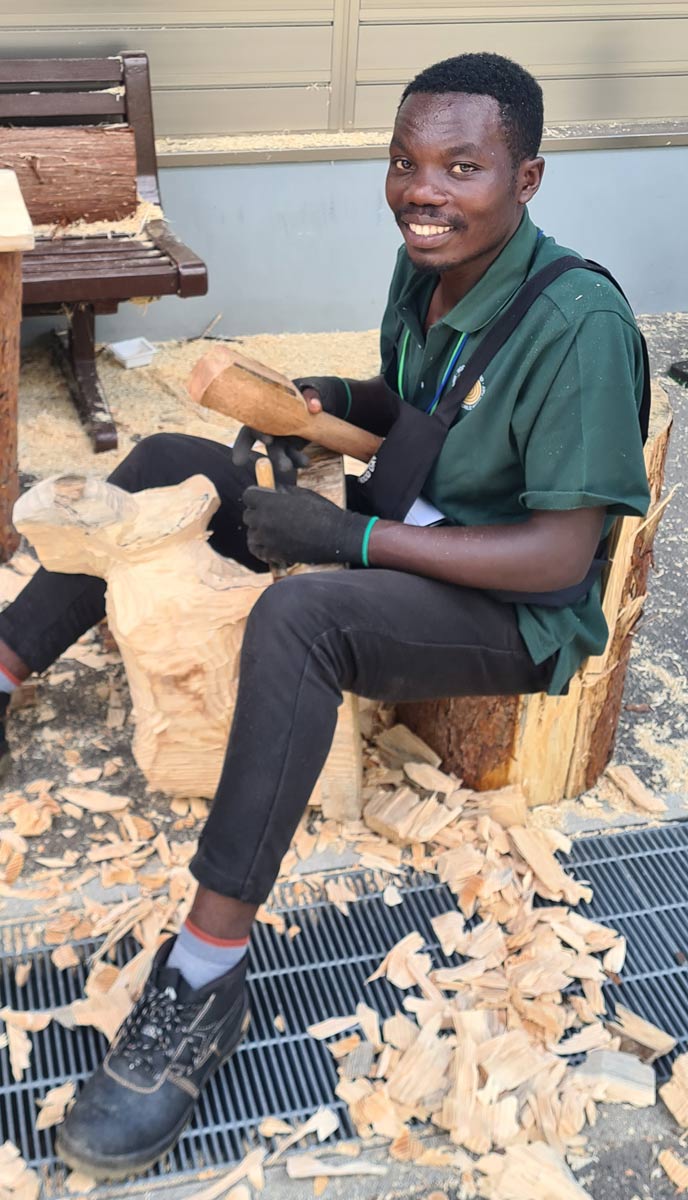
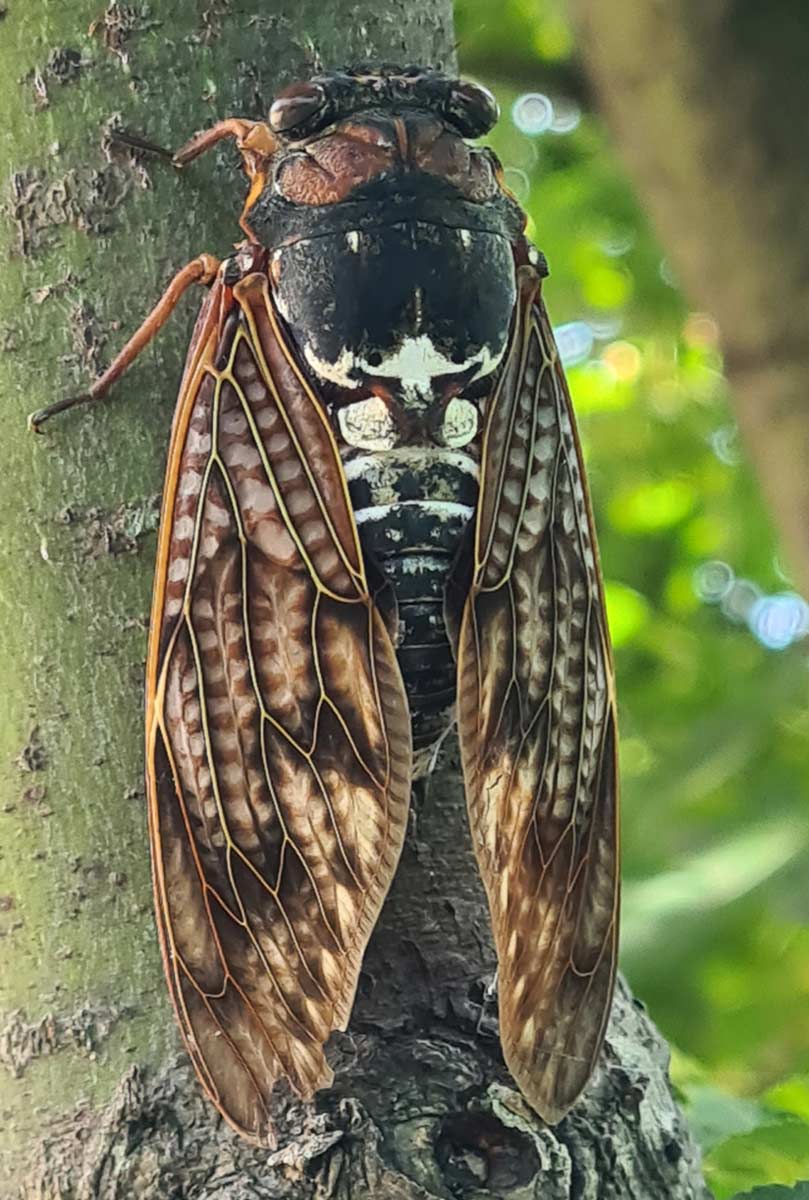
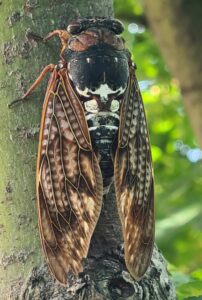
From July 25th to 27th and July 29th to 30th, a small section of the zoo grounds transformed into a living workshop. Surrounded by the sounds of animals and the bustle of visitors, we carved, shaped, and sanded our pieces beneath the summer sky. Working in such an open and lively environment — right in the heart of the city — was very different from my usual, more solitary, mode of operation. Children and families stopped to watch as the artworks took shape, sparking conversations about creativity, conservation, and the role of art in human culture. One of my personal, stand out memories, was the constant sound of the cicadas that were emerging during our stay. Quite an astonishing volume from such a small creature, with an equally astonishing life cycle. Read more here.
Exhibition at Tennoji Zoo
The main aim of the event was for us—around twenty-four wood carvers from across the globe—to each transform a rough log into a sculpture inspired by one of the zoo’s resident species. With only a short time to complete what would normally take me several weeks, the first day was especially intense, as we worked through the heavy bulk-removal stages under a blazing sun, with temperatures soaring above 35 °C.
My chosen subject was of a black rhino. The black rhino (Diceros bicornis) is listed as Critically Endangered by the IUCN. Once widespread across Africa, its population fell by over 90% from the 1970s to the 1990s due to poaching and habitat loss. Despite ongoing illegal horn trade threats, conservation programs and strict protection have enabled a slow recovery in some regions. Continued vigilance and habitat management remain vital to prevent further decline.
After only a few days 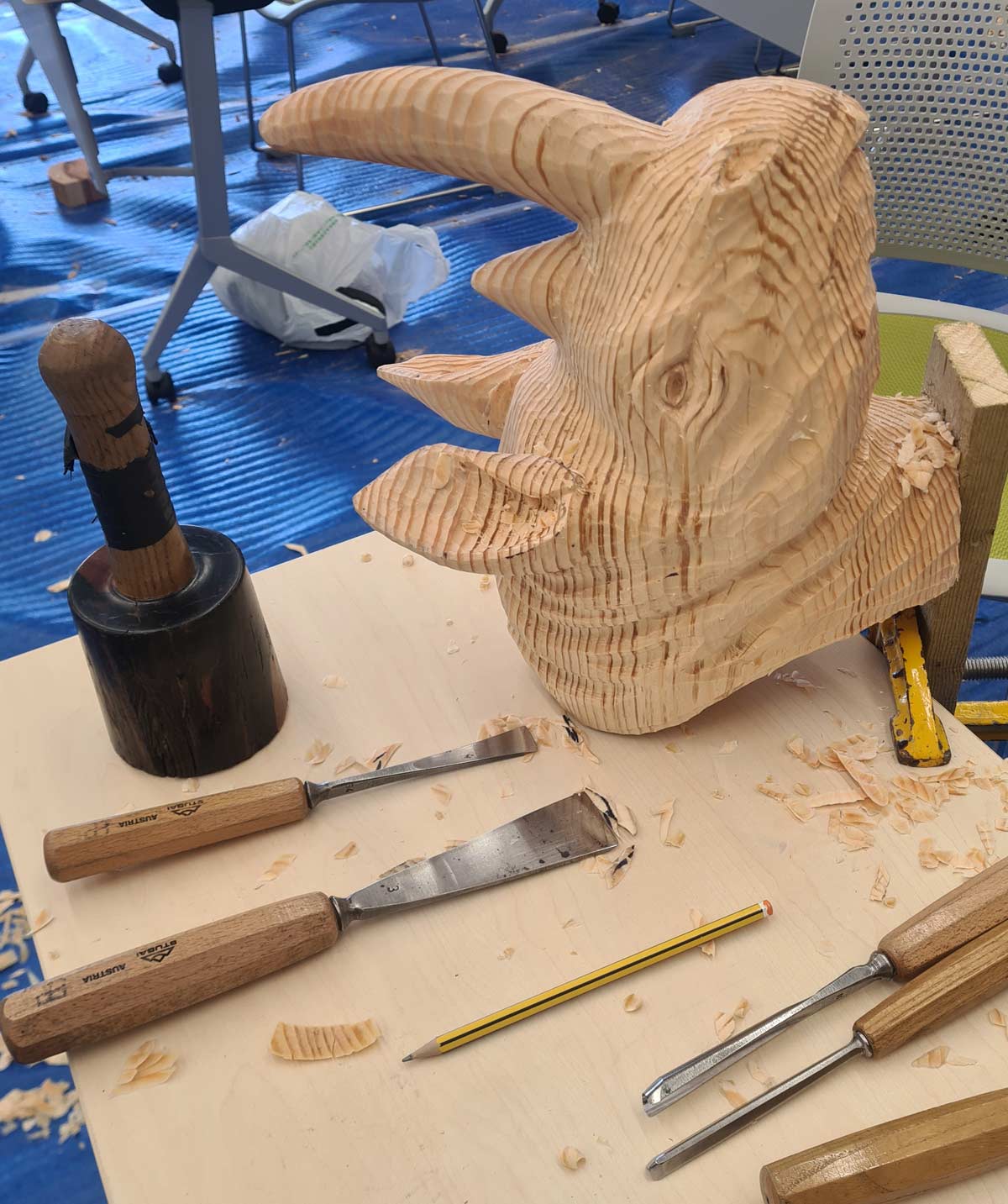 of carving, the finished works were displayed onsite, allowing visitors to see the variety of interpretations and styles from artists across the globe. It was amazing to see how wood — a single shared material — could express so many different stories and styles from the same material.
This experience reminded me of how art connects people beyond language and geography. I’m deeply grateful to World Wood Day Foundation and its team of organisers that made my participation possible,
 Farewell Tennnoji Zoo
On August 4th, I departed from Osaka after having made several new friends within the world 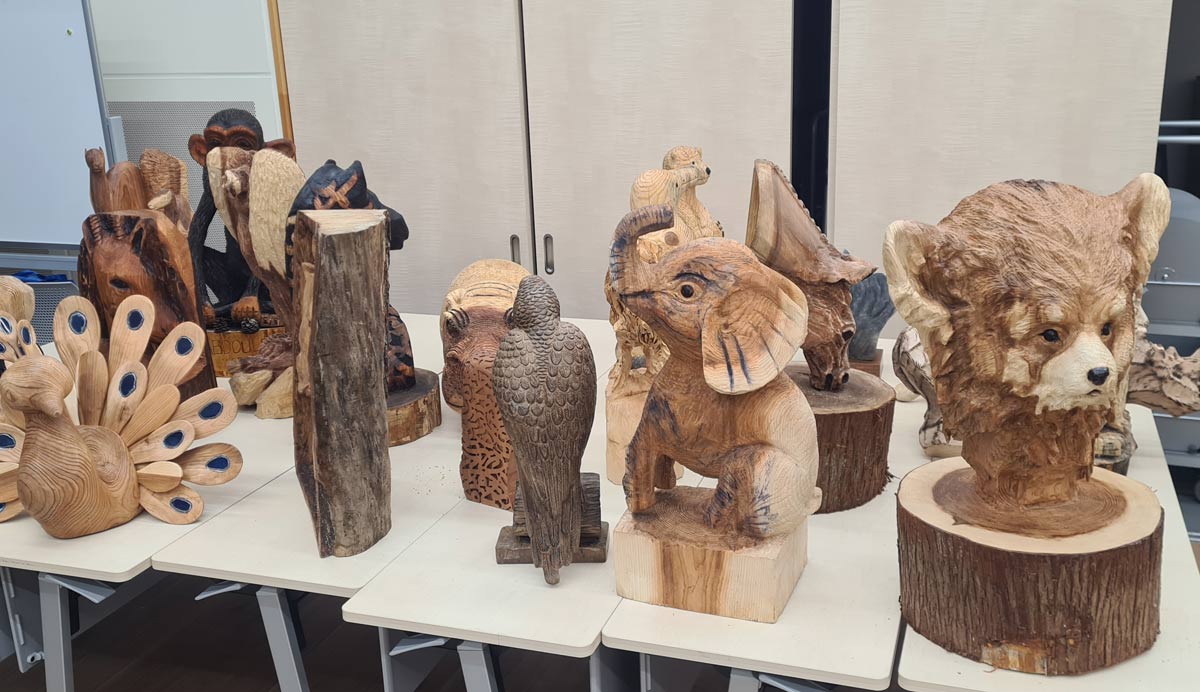 of wood carving as well within the zoo itself. Tennoji Zoo, established in 1915 in central Osaka, is one of Japan’s oldest zoos and has evolved into a centre for wildlife conservation, research, and education. Through its Zoo21 Project, the zoo has introduced more naturalistic, ecology-based exhibits that replicate real habitats and encourage a deeper appreciation of biodiversity. It collaborates with universities on behavioural studies, breeding physiology, and welfare research for species such as black rhinos, kiwis, and Malayan sun bears, and has adopted Ethical Guidelines for Research to ensure high animal-care standards. Beyond conservation science, Tennoji Zoo promotes sustainability through creative reuse projects—like turning old sports gear into perches for birds—and active community outreach. Today, it stands as a model of how an urban zoo can balance recreation with meaningful conservation and environmental stewardship.
World Wood Day wasn’t just about carving wood — it was about carving connections, learning from others, and celebrating the universal language of craft.
Osaka Aquarium
After leaving the hotel that had been home for the last week or so, I went off on my own for a few days and took a couple of long walks up in the hills near Nara. I also discovered some wonderful sushi restaurants and paid a visit to the Osaka Aquarium. Located in the city’s Tempozan Harbor Village, it is one of Japan’s largest and most thoughtfully designed public aquariums. Its vast central tank anchors a series of surrounding exhibits that recreate marine habitats from the Pacific Rim, from Arctic seas to tropical reefs. Rather than focusing solely on spectacle, the aquarium emphasizes the interdependence of marine ecosystems and the fragility of ocean life in the face of climate change and pollution.
Educational displays, conservation messaging, and research collaborations reflect its ongoing effort to balance public fascination with responsible stewardship of the sea. Quite an amazing facility, with some incredibly huge salt water exhibits. Though not the same as seeing species in the wild, it was a great opportunity to gather some reference material for subjects such as my Manta Ray sculptures.

Related Posts
